Case Studies
Case Studies
What systems change looks like in practice. Our case studies are honest accounts of what worked, what was hard, and what it took, the reforms, partnerships, and results behind the headline.
Project 1 · CVCA
Climate Vulnerability & Capacity Assessment
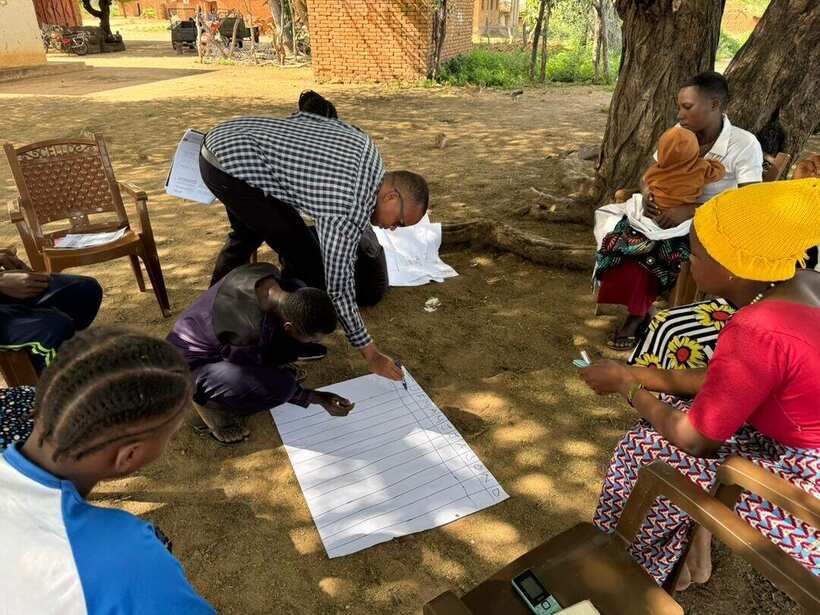
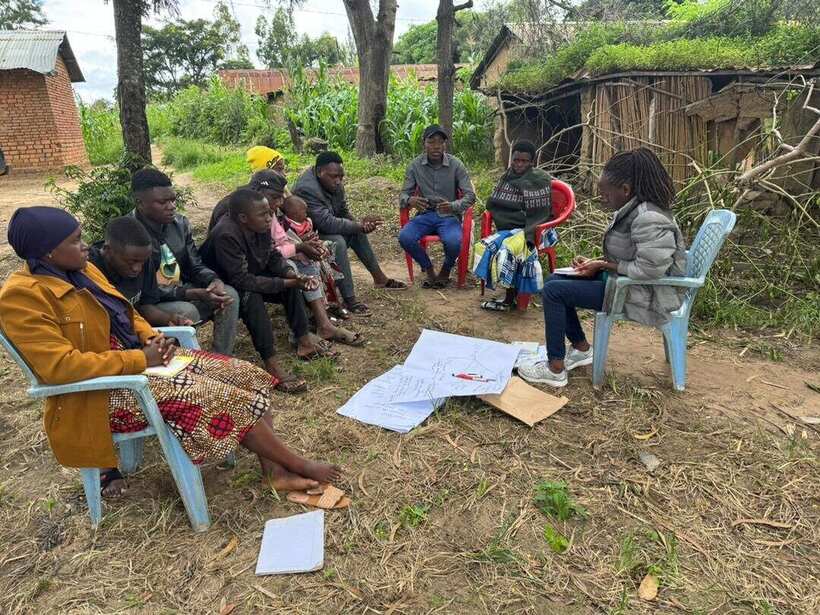
Conducted under the Her Resilience, Our Planet (HROP) initiative across ten villages in the Great Ruaha River (GRR) sub-basin, spanning Iringa DC, Kilolo, Mufindi, Wanging'ombe, and Mbarali districts. The assessment set out to understand how climate change is affecting communities, livelihoods, water resources, and ecosystems, and to identify opportunities to strengthen resilience through inclusive, evidence-based adaptation planning, with particular attention to women, youth, and other vulnerable groups.
10
Villages
5
Districts
68
Focus group discussions
544
Participants engaged
39
Key informant interviews
The challenge
Climate pressure on water and livelihoods
Communities in the Great Ruaha River sub-basin face rising temperatures, unpredictable rainfall, prolonged droughts, flooding, and declining water availability. These pressures intensify competition for water among farmers, livestock keepers, households, hydropower, and conservation, while climate-sensitive livelihoods and persistent gender and youth inequalities leave many households exposed.
Our approach
Community knowledge meets climate science
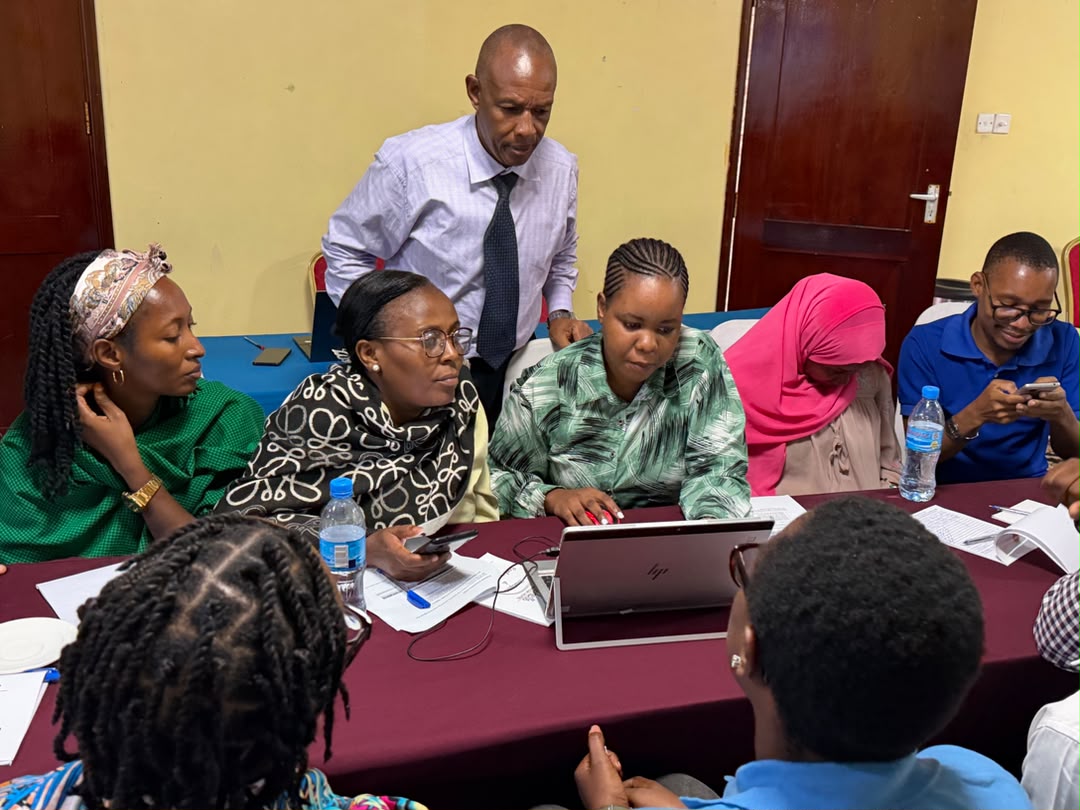
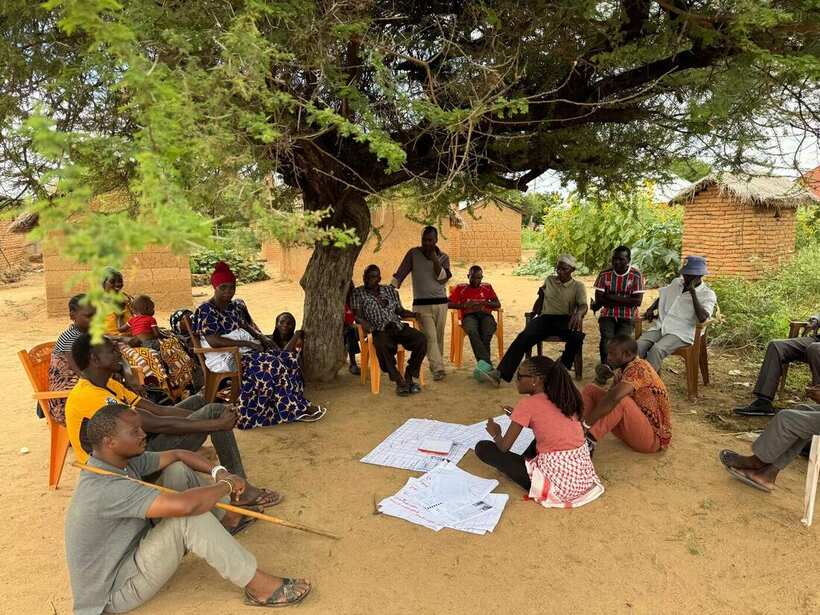
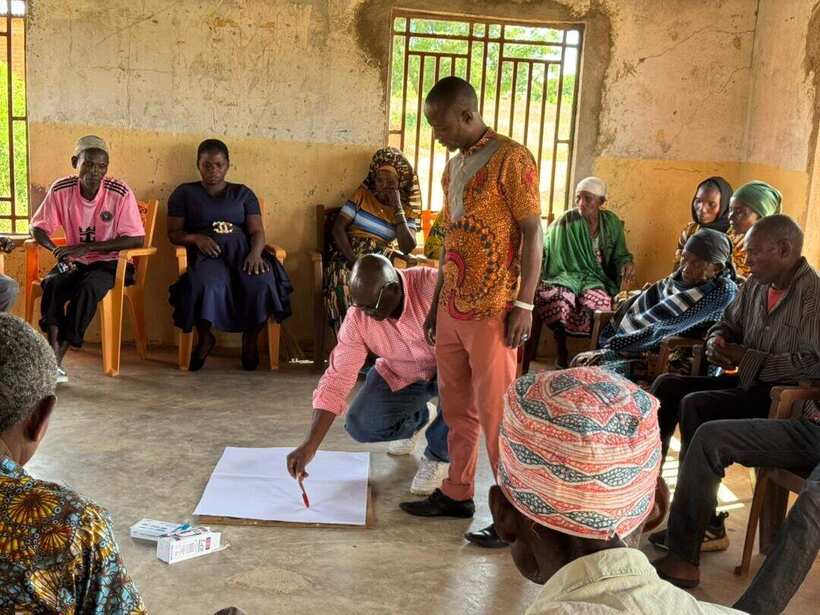
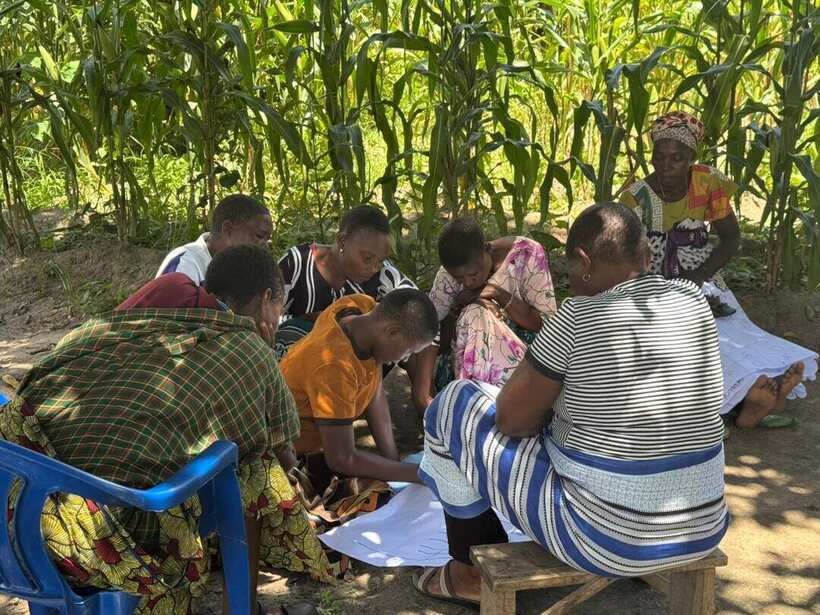
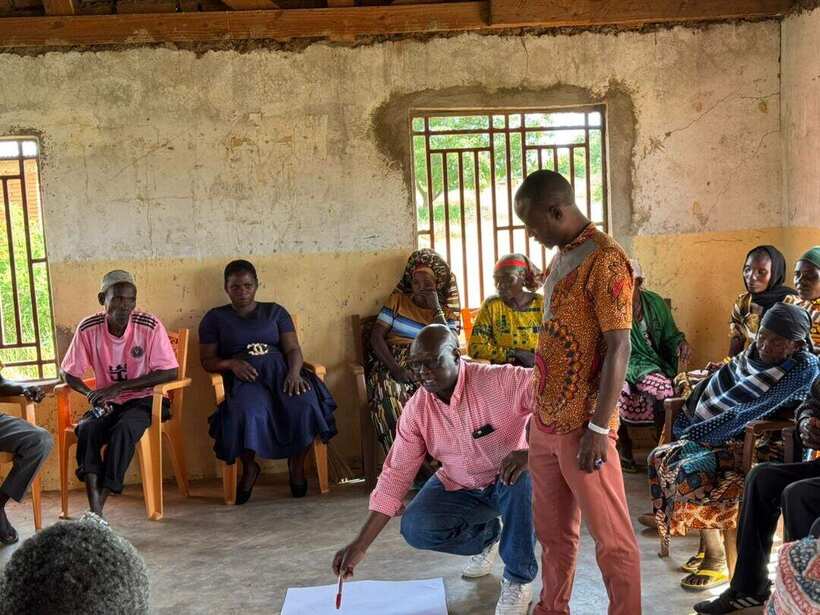
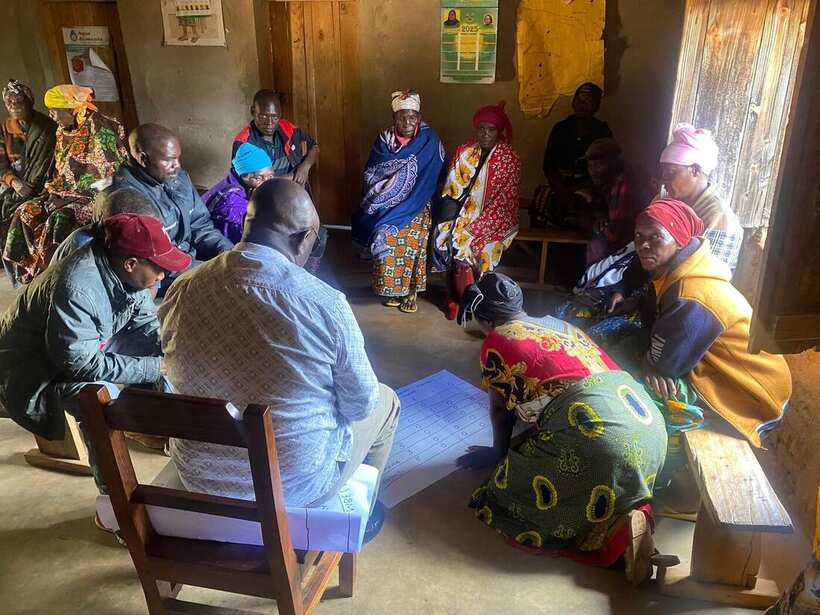
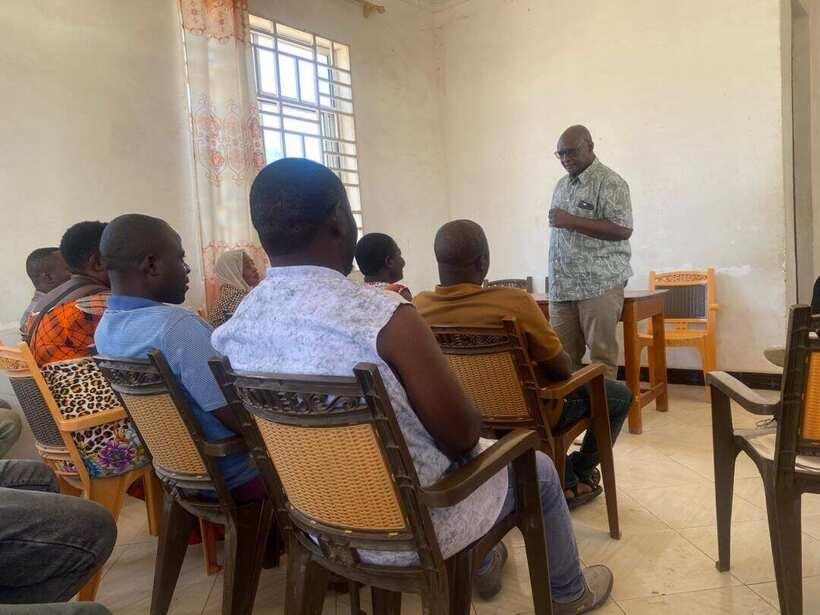
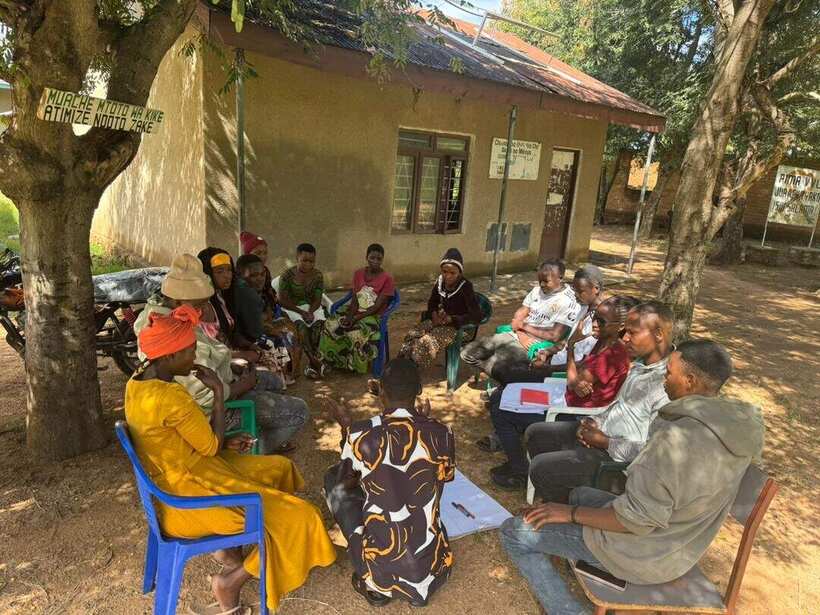
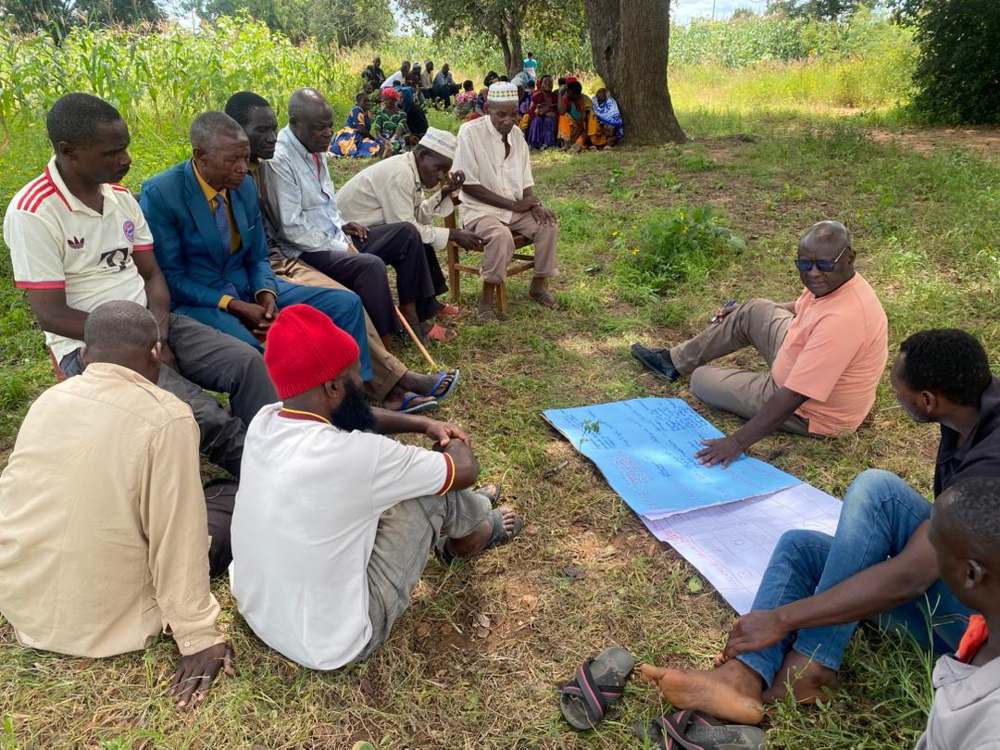
We used a participatory, evidence-based approach that combined scientific climate information with community knowledge: vulnerability and capacity assessments, focus group discussions, stakeholder engagement with local and national institutions, climate risk analysis and vulnerability mapping, and the development of gender-responsive, youth-inclusive Community Adaptation Plans (CAPs).
Impact & value
Evidence for climate-resilient planning
The assessment produced climate vulnerability profiles and Community Adaptation Plans across all ten villages, a grounded evidence base that helps communities, local governments, and development partners make informed decisions on adaptation, water governance, and livelihood diversification, while strengthening the participation of women and youth in climate action.
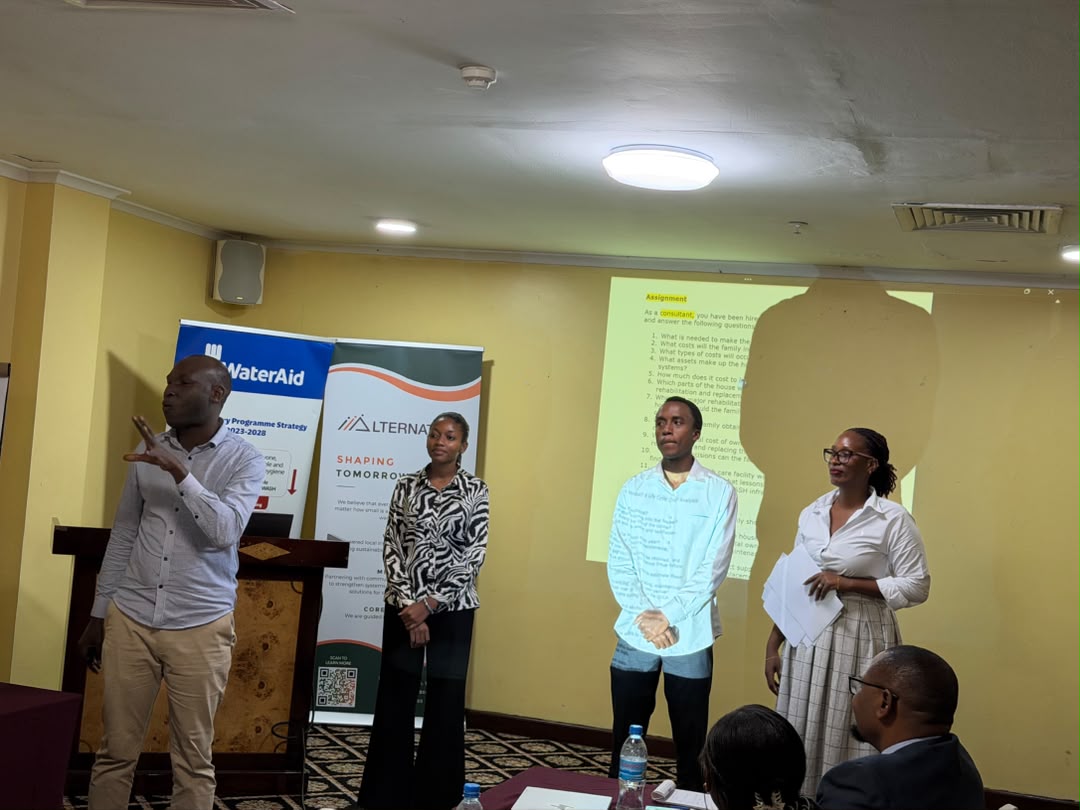
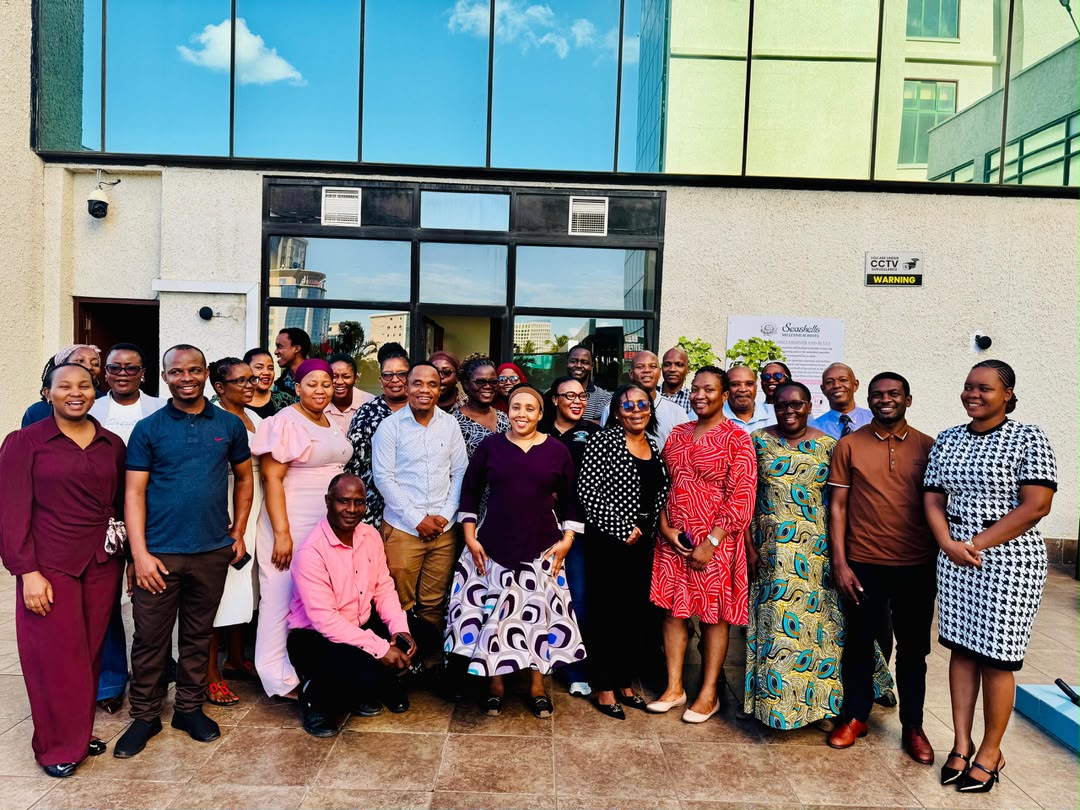
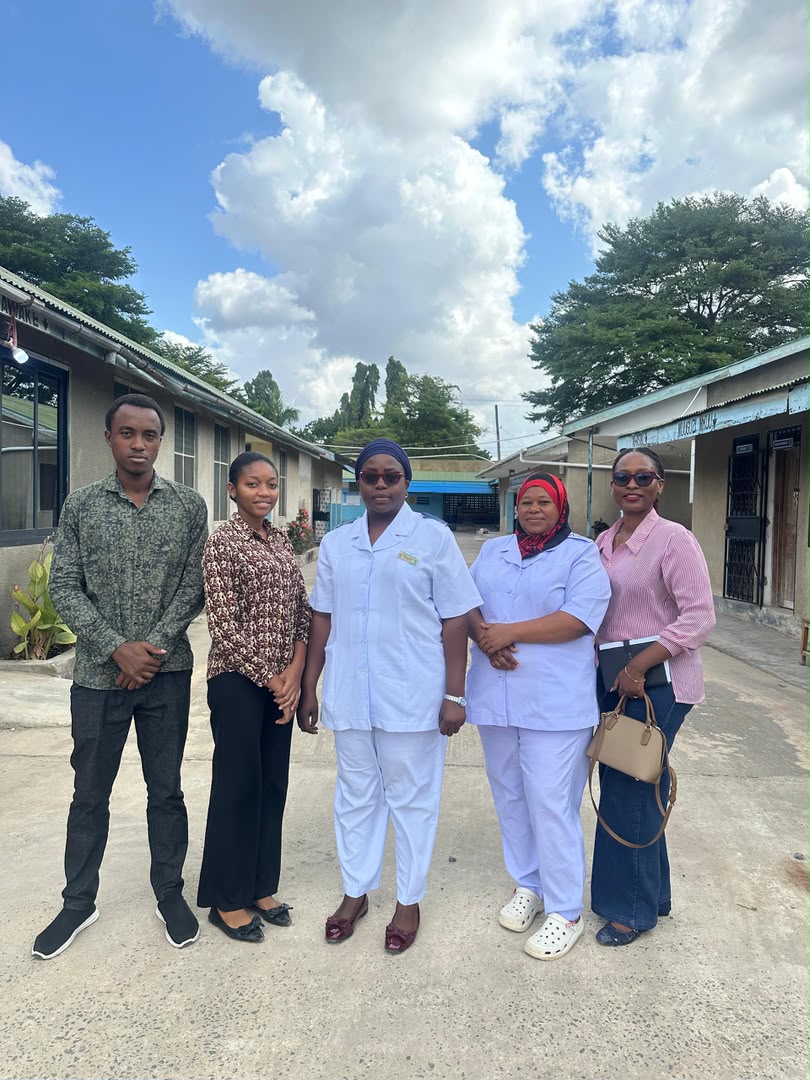
From the field



Explore by district
The work across five districts
WaterAid Programme Strategy (LCCA)