What We Do
What We Do
At Third Alternative, most challenges are met with two default options: the status quo, or incremental reform. In many cases, both fall short. We work beyond that binary, helping partners reframe problems and co-create solutions that are locally grounded, system-driven, and truly transformative.
Our model
Building systems that work, scale, and last
We collaborate with governments, utilities, and communities to tackle complex development challenges by rethinking how systems are designed, managed, and financed. In practice, that means supporting organisations to become performance-driven, strengthening data and digital systems for better decisions, linking results to financing, and embedding solutions inside local institutions so they last. That is the Third Alternative: not choosing between limited options, but creating better ones.
Our areas of work
Five connected areas of work
How we work in practice
We start with the people closest to the problem
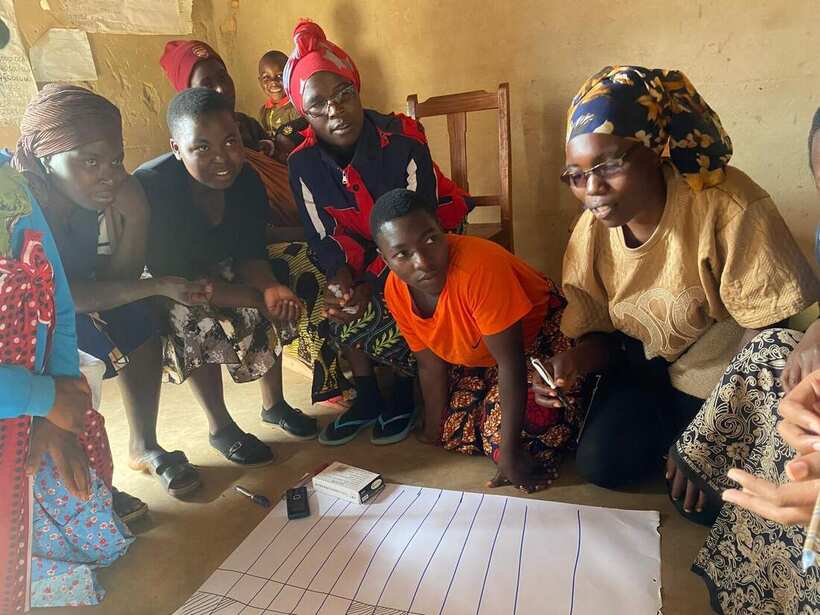
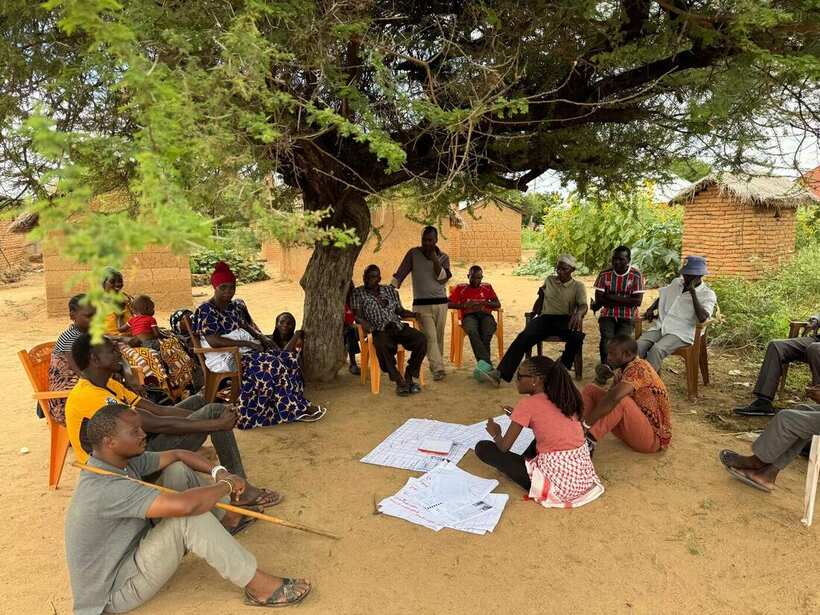
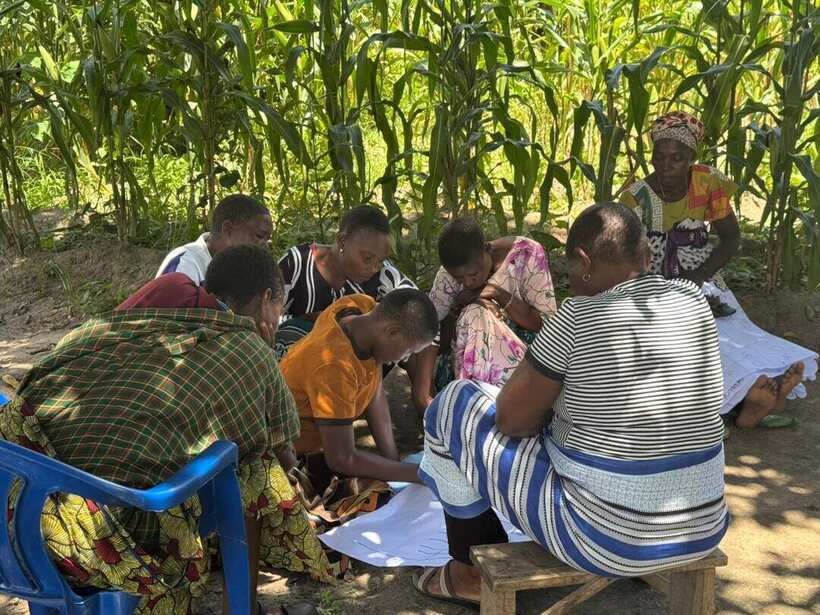
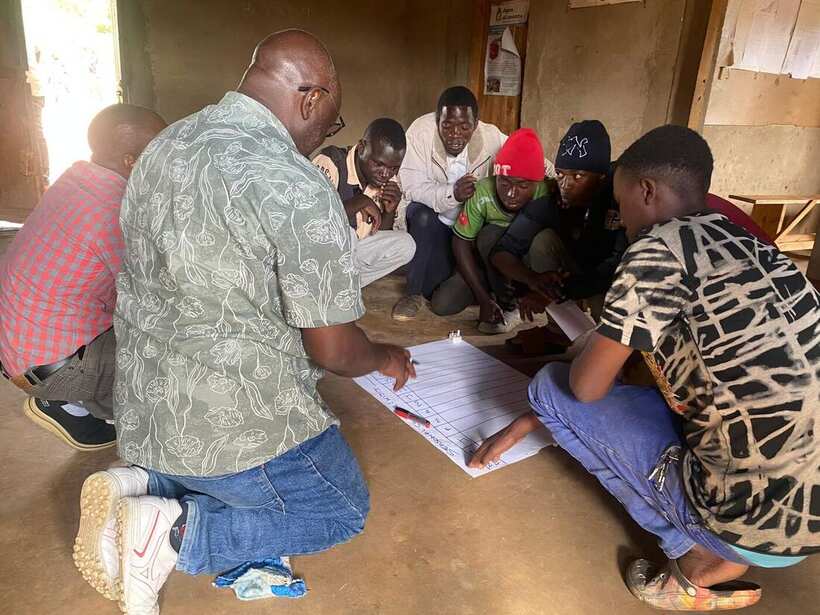
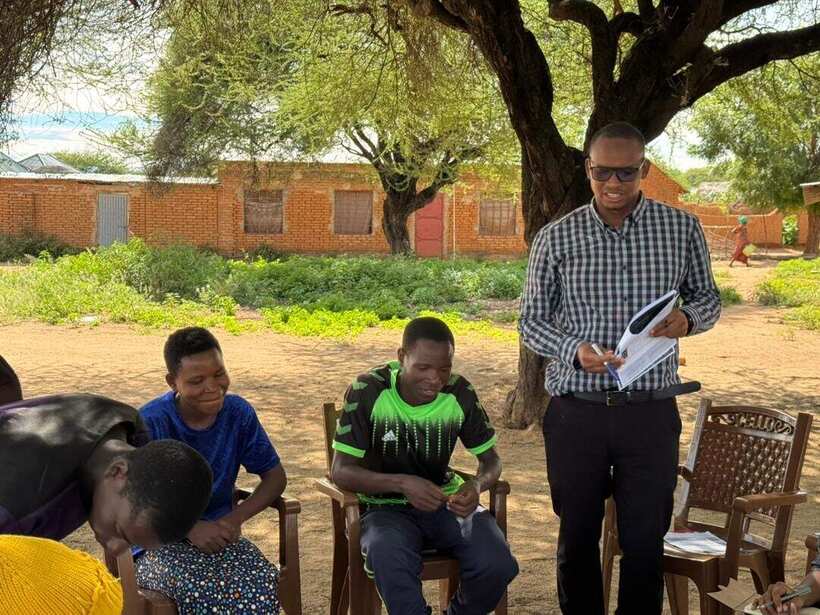
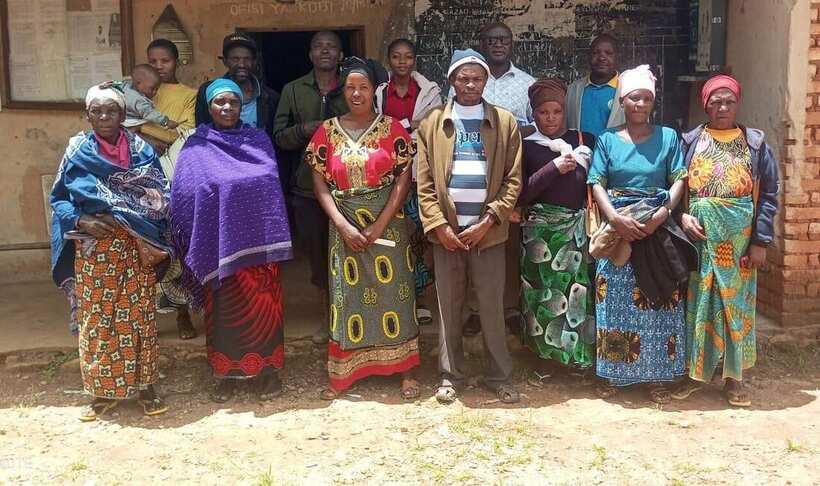
A recent example is our Climate Vulnerability & Capacity Assessment under the Her Resilience, Our Planet initiative, reaching 544 community members across ten villages in the Great Ruaha River sub-basin. Working with youth, women, elders, and mixed community groups, we used participatory tools so communities could map their own realities and shape the response. It is a snapshot of how we turn these ideas into work on the ground.